
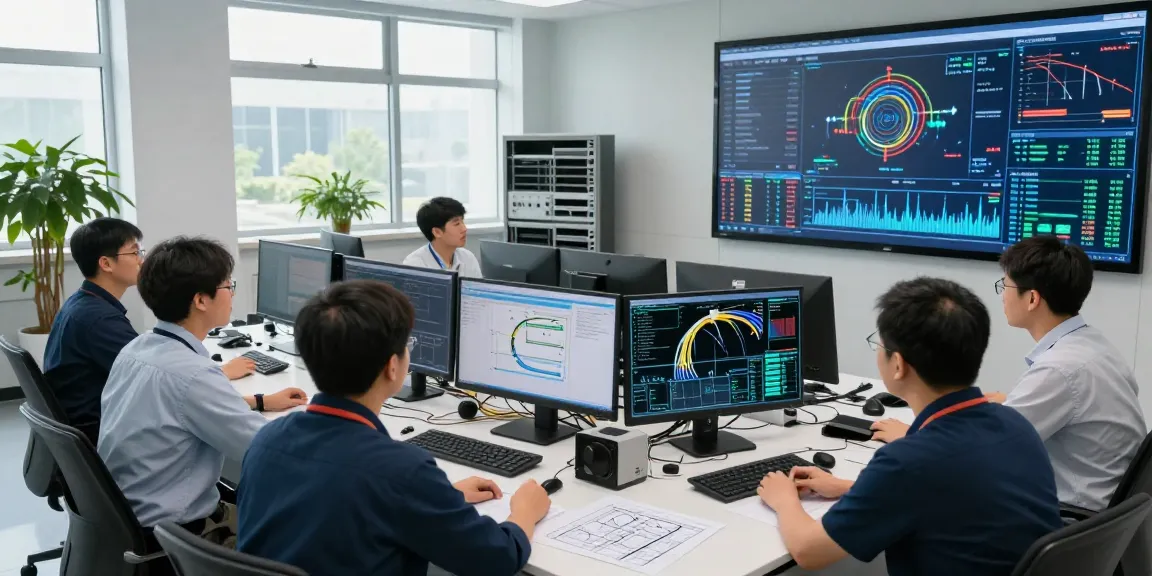
Understanding Fiber Optic Cable Technology
Fiber optic cables have become the backbone of modern communication systems, offering unparalleled speed and reliability for data transmission. As industries increasingly adopt high-speed internet and AI technologies, understanding the mechanics and benefits of fiber optic cable technology is essential for choosing the right solutions for your network. In this article, we will delve into the basics of fiber optics, their components, and the crucial role of connectors in ensuring efficient network performance.
What is Fiber Optic Cable?
Fiber optic cables are made from thin strands of glass or plastic that transmit data as pulses of light. These cables serve as a crucial medium for high-speed data transmission over long distances, often outperforming traditional copper cables in both speed and bandwidth. The technology has rapidly advanced, establishing fiber optics as a core part of telecommunications infrastructure, from data centers to residential broadband connections.
Components of Fiber Optic Systems
A fiber optic system is composed of several key components that work together to facilitate efficient data transmission:
- Core: The central part of the fiber where light travels. It is surrounded by a cladding layer that reflects light back into the core.
- Cladding: This outer layer of material has a lower refractive index than the core, allowing the light signals to remain contained within the core, preventing loss of data.
- Buffer Coating: A protective layer that safeguards the fiber against physical damage and environmental factors.
- Outer Jacket: The final layer that protects the inner components from moisture, chemicals, and abrasions.
The Importance of Fiber Optic Connectors
Connectors play a pivotal role in fiber optic systems, as they join different cables and allow for the quick disconnection and reconnection of network devices. There are several types of connectors, such as LC, SC, and ST, each designed for specific applications and environments. Proper installation and maintenance of these connectors are essential to minimize signal loss and maintain network efficiency.
Benefits of Utilizing Fiber Optic Cables
Fiber optic cables offer a multitude of advantages over conventional copper wires, making them an increasingly popular choice for professionals aiming to optimize network performance.
Enhanced Bandwidth and Speed
One of the most significant benefits of fiber optic cables is their ability to provide higher bandwidth and faster data transmission speeds. Fiber optics can support data rates of up to 800 Gbps and beyond, making them ideal for high-traffic networks that require rapid data delivery.
Durability and Longevity of Fiber Optics
Compared to copper cables, fiber optics are much more durable. They resist corrosion, electromagnetic interference, and extreme temperatures, ensuring they can operate reliably in various conditions. Additionally, fiber optic cables are lighter and less bulky, simplifying installation and deployment.
Environmental Impact and Sustainability Considerations
Fiber optic technology is also considered more environmentally friendly than traditional copper solutions. Fiber cables consume less energy to transmit data and can be made from recyclable materials, reducing their overall environmental footprint.
Challenges in Fiber Optic Cable Deployment
Despite the many benefits, deploying fiber optic cables can come with its own set of challenges that professionals must navigate.
Common Installation Hurdles
Installing fiber optic systems often requires specialized training and tools. The fragility of the fibers means that mishandling can lead to breakage, necessitating careful handling and installation protocols. Moreover, existing infrastructure may require significant upgrades to accommodate new fiber networks.
Maintenance and Repair Issues
While fiber optic cables are durable, they are not immune to damage. Maintenance and repairs can be complex and costly, especially in networks with extensive installations. Regular inspections are recommended to ensure optimal performance and address issues before they escalate.
Cost Factors in Fiber Optic Projects
Initial installation costs for fiber optic systems can be higher than traditional copper cables. However, the long-term savings associated with reduced maintenance, higher performance, and lower energy consumption often offset these initial expenses.
Best Practices for Fiber Optic Cable Procurement
Organizations looking to invest in fiber optic networks should adopt best practices for procurement to ensure they select the right suppliers and solutions.
Choosing the Right Supplier
Selecting a reliable supplier is critical to the success of your fiber optic project. Look for vendors who are certified, experienced, and offer robust warranties. Engaging suppliers with proven expertise, such as FiberElectronics, ensures that you receive high-quality materials that meet industry standards.
Negotiating Pricing and Contracts
Negotiating favorable terms can significantly impact the overall cost and success of your procurement efforts. Ensure to explore options like volume discounts, which can lead to locked-in savings based on annual run rates. Additionally, consider programs that provide zero-cost inventory management to further optimize procurement.
Managing Inventory Efficiently
Efficient inventory management is crucial for fiber optic projects. Implementing a Min/Max stock level strategy allows you to maintain optimal stock without overcommitting resources. This proactive approach ensures quick fulfillment and keeps project timelines on track.
The Future of Fiber Optic Cables in 2026 and Beyond
The fiber optic industry is poised for substantial growth in the coming years, driven by innovations and the increasing demand for high-speed connectivity.
Emerging Technologies and Their Impact on Fiber Optics
Emerging technologies, such as Co-Packaged Optics and silicon photonics, are revolutionizing the fiber optic landscape. These innovations provide higher density and lower latency networks, catering to the requirements of data centers and AI-driven applications.
Predicted Trends in Fiber Optic Usage
By 2026, the proliferation of smart devices and the Internet of Things (IoT) will further elevate the demand for fiber optic solutions. Expect a shift towards more integrated systems that combine fiber optics with advanced data analysis and cloud services to create seamless data flow and processing.
How AI is Shaping Fiber Optic Networking
Artificial Intelligence is beginning to influence fiber optic networking significantly. From predictive maintenance that enhances system reliability to intelligent traffic management solutions that optimize data transmission, AI technologies are redefining network capabilities and performance standards.
What are the main advantages of fiber optic cables?
The key advantages of fiber optic cables include higher bandwidth, faster speeds, improved durability, and reduced environmental impact, making them a superior choice for modern networking needs.
How do I choose the right fiber optic cable for my needs?
Choosing the right fiber optic cable depends on several factors, including the application, required transmission distance, and data rate. Consulting with experts or established suppliers can help you determine the most suitable option.
What maintenance is required for fiber optic systems?
Regular inspections to check for physical damage and ensure optimal performance are essential for fiber optic systems. Maintenance schedules should include testing for signal loss and cleaning connectors to avoid contamination.
How does fiber optic cable compare to copper cable?
While copper cables offer limited bandwidth and are affected by electromagnetic interference, fiber optic cables provide significantly higher data transfer speeds, greater distance capabilities, and increased resistance to environmental factors.
What are the future trends in fiber optic technology?
Future trends in fiber optic technology will likely revolve around the integration of AI, increased demand for scalability, and the adoption of advanced manufacturing techniques. This will enable the production of faster, more reliable, and more efficient optical systems.


