Understanding Mini Split Systems
Mini split systems have revolutionized how we approach heating and cooling in our homes. They offer an efficient and flexible solution for heating and cooling small spaces, making them an attractive option for homeowners and renters alike. With their compact size and sleek design, mini splits can be installed in a variety of settings, from cozy apartments to larger homes. This article will delve into the intricacies of mini split systems, their components, benefits, and how they stand out in the HVAC market. When exploring options, mini split systems provide comprehensive insights into modern climate control solutions.
What is a Mini Split System?
A mini split system, also known as a ductless air conditioning system, is a type of HVAC system that allows you to heat or cool individual rooms or zones. Unlike traditional HVAC systems that rely on ductwork, mini splits consist of two main components: an outdoor unit and one or more indoor units. This separation of components makes installation easier and offers flexibility in system placement, allowing for customized climate control in multiple areas of your home.
Components of Mini Split Systems
- Outdoor Unit: This is the compressor and condenser unit that expels heat from the home during cooling mode and absorbs heat during heating mode.
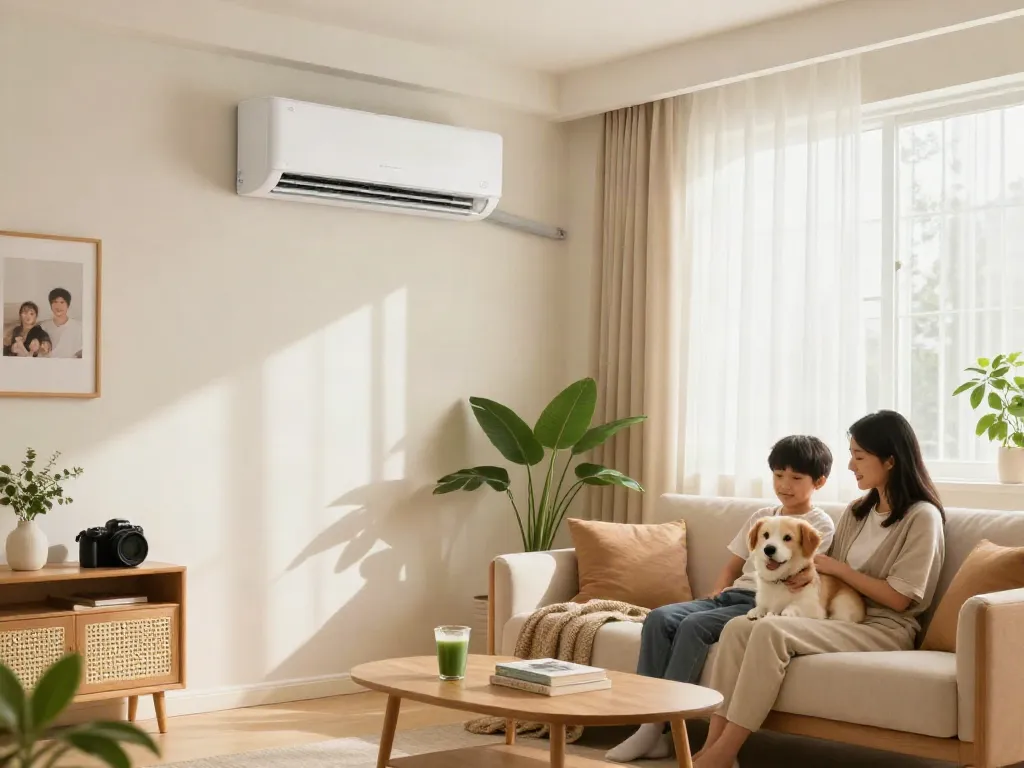
- Indoor Unit: The evaporator unit is installed inside the room. It distributes cool or warm air into the living spaces. Indoor units can vary in style from wall-mounted units to ceiling cassettes.
- Refrigerant Lines: These lines carry refrigerant between the indoor and outdoor units, facilitating heat exchange.
- Control System: Mini splits feature either wired or wireless controls, allowing homeowners to manage temperature settings efficiently.
Benefits of Using Mini Splits for Home Heating and Cooling
One of the primary advantages of mini split systems is their energy efficiency. They provide targeted heating and cooling, allowing you to adjust temperatures based on room usage without the need for central air conditioning. Additionally, mini splits are less invasive than traditional systems because they require little to no ductwork, minimizing installation costs and disruption.
- Energy Efficiency: With seasonal energy efficiency ratios (SEER) often exceeding traditional systems, mini splits can significantly lower energy bills.
- Flexibility: Homeowners can customize heating and cooling settings for individual rooms, providing comfort where needed.
- Quiet Operation: Mini splits operate more quietly than traditional systems, ensuring a comfortable environment without disruptive noise.
- Improved Air Quality: Ductless systems do not circulate dust and allergens commonly found in ducted systems.
Common Concerns and Misconceptions
Disadvantages of Mini Split Systems
Despite their many benefits, there are some perceived disadvantages associated with mini split systems. One common concern is the initial cost of installation, which can be higher compared to traditional systems. However, it's critical to consider long-term energy savings and reduced utility costs, which may outweigh initial outlays.
- Aesthetic Concerns: Some homeowners may find indoor units' appearance less appealing compared to central systems, which are hidden from view.
- Cooling Limitations: In very humid climates, mini splits may struggle to maintain optimal humidity levels without additional dehumidification.
- Installation Complexity: While installation is often easier than central systems, proper placement and sizing of units require expert knowledge.
Do Mini Splits Work in Extreme Temperatures?
Yes, mini splits are designed to operate efficiently even in extreme temperatures. Many modern systems are equipped with inverter technology, allowing them to maintain efficiency and performance in both high and low-temperature conditions. Recent advancements in technology have enabled mini splits to function effectively in temperatures as low as -5°F and as high as 115°F.
Are Mini Splits Worth the Investment?
Whether mini splits are worth the investment can depend greatly on your specific heating and cooling needs. For many homeowners, especially those in regions with varying climates, the energy efficiency, flexibility, and comfort provided by mini split systems can justify the initial costs. Additionally, their ability to enhance indoor air quality and minimize energy consumption makes them a worthy consideration for contemporary homes.
Installation Best Practices
Tools Needed for Mini Split Installation
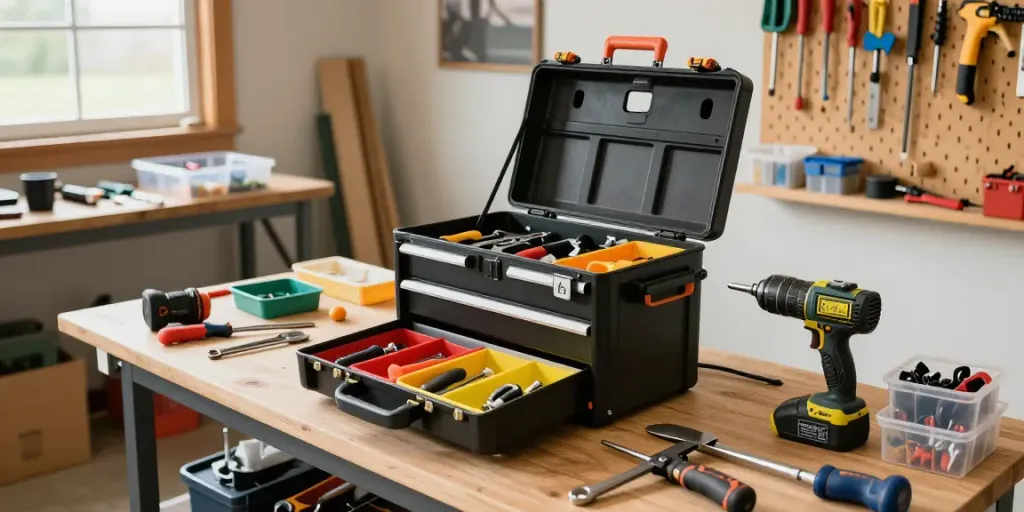
Installing a mini split system requires a range of tools, as well as a clear understanding of the installation process. Some essential tools include:
- Drill and drill bits
- Refrigerant line wrenches
- Wire cutters and strippers
- Level and tape measure
- Vacuum pump to remove moisture from refrigerant lines
Step-by-Step Installation Guide
To ensure a successful mini split installation, follow these steps:
- Choose the Location: Select appropriate locations for both indoor and outdoor units that allow for optimal airflow and easy access.
- Install the Outdoor Unit: Secure the outdoor unit on a solid base, ensuring it is level and well-ventilated.
- Mount the Indoor Unit: Using a level, mount the indoor unit on the wall, ensuring that it has sufficient clearance for airflow.
- Connect Refrigerant Lines: Carefully connect the refrigerant lines between the outdoor and indoor units.
- Purge and Test the System: Use a vacuum pump to purge the lines of air and moisture, then test the system for proper operation.
Hiring a Professional vs. DIY Installation
While DIY installation is possible for those with the right skills and knowledge, hiring a professional can ensure that the system operates efficiently and complies with local building codes. Experts are equipped to handle potential challenges, such as refrigerant handling and electrical work, and can often complete the installation faster and more effectively than a novice.
Maximizing Efficiency and Performance
Regular Maintenance for Your Mini Split System
To maintain optimal performance, regular maintenance is essential. Homeowners should perform the following tasks:
- Clean or replace air filters every 1 to 3 months to ensure good airflow.
- Inspect and clean the outdoor unit, removing any debris that could block airflow.
- Schedule professional maintenance at least once a year to check system components and refrigerant levels.
Energy Efficiency Tips for Homeowners
Improving energy efficiency extends the life of your mini split system and lowers energy costs. Consider implementing these tips:
- Set the thermostat to an optimal temperature; typically, 75°F in summer and 68°F in winter.
- Utilize timers and programmable settings to minimize energy waste.
- Use fans to improve air circulation, allowing you to raise the thermostat setting slightly while maintaining comfort.
Smart Thermostat Integration with Mini Splits
Integrating smart thermostats with mini split systems can enhance energy efficiency significantly. Many smart thermostats can learn your preferences, adjusting temperatures automatically based on your schedule. This technology enables homeowners to remotely manage their heating and cooling, leading to better energy conservation.
Future Trends in Mini Split Technology
Innovations in Energy Efficiency (2026 and Beyond)
The future of mini split technology is promising, with continual innovation focused on enhancing energy efficiency. Emerging systems may feature advanced variable speed compressors and smart controls that optimize performance based on environmental conditions. These developments could lead to further reductions in both energy consumption and greenhouse gas emissions.
Emerging Features in Mini Split Systems
New features, such as built-in air purifiers and humidity control systems, are becoming increasingly popular among consumers. These enhancements not only improve comfort but also contribute to better indoor air quality—an essential consideration in today’s health-conscious environment.
Market Trends and Consumer Preferences
As awareness of energy efficiency and indoor air quality increases, demand for mini split systems continues to grow. Homeowners are prioritizing systems that offer both flexibility and efficiency, leading to a preference for models equipped with advanced smart technology and multi-zone capabilities.
What is the Cost of a Mini Split?
The cost of a mini split system can vary significantly based on factors such as system size, brand, and installation complexity. On average, homeowners can expect to pay between $3,000 and $5,000 for a standard mini split installation. However, considering the long-term savings on energy bills, many find this investment worthwhile.